This article originally appeared in The Bar Examiner print edition, Summer 2026 (Vol. 95, No. 2), pp. 29-34. 
April 30–May 3, 2026 | Philadelphia, Pennsylvania
The NCBE Annual Bar Admissions Conference is an educational event designed for members of the bar examining and admissions community. Attendees include justices from jurisdictions’ highest courts, bar admission administrators, and members of boards of bar examiners, all of whom direct the bar admissions process in their jurisdictions. The conference focuses on the issues that influence the licensing of lawyers both today and in the future.
NCBE held its 2026 Annual Bar Admissions Conference in Philadelphia on April 30–May 3. Fifty-five US jurisdictions were represented by the 360 attendees, which included 82 first-time attendees and 58 justices from jurisdictions’ highest courts.
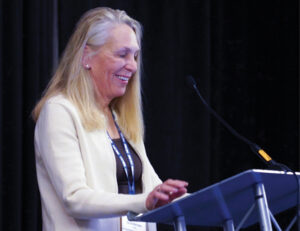
Judith Gundersen, NCBE President & CEO
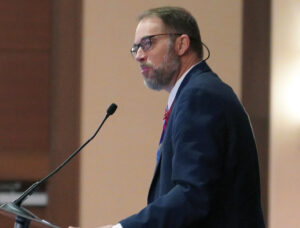
Darin Scheer, NCBE Board of Trustees Chair
Thursday afternoon kicked off conference programming with a roundtable for the justices in attendance, followed by the evening opening reception. Judith Gundersen, NCBE President and CEO, Darin B. Scheer, NCBE Board of Trustees chair, and Pennsylvania Supreme Court Justice Kevin Brobson welcomed attendees on Friday morning. NCBE Education Committee Chair Hon. Scott Bales (ret.) and Council of Bar Admission Administrators Chair Emily Corson welcomed attendees on Saturday. Session descriptions are presented below as published in the conference program.
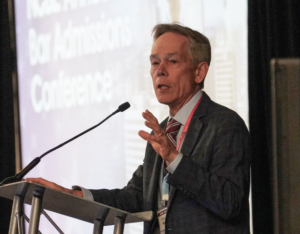
Hon. Scott Bales (ret.), NCBE Education Committee Chair
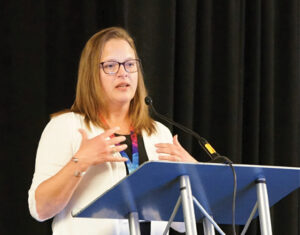
Emily Corson, CBAA Chair
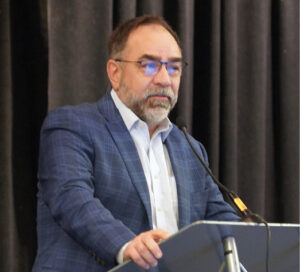
Hon. Kevin Brobson
Plenary Sessions
The Role of Lawyers in Leading Civil Discourse
Mark Alexander, Hon. Scott Bales (ret.) (moderator)
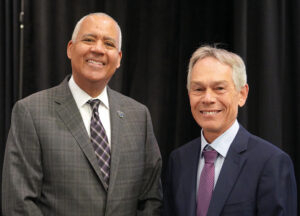
Mark Alexander, Hon. Scott Bales (ret.)
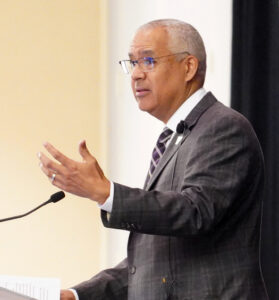
Mark Alexander
Lawyers are everywhere in places of prominence, power, and policy, from elected leaders to judges to CEOs to government officials. They played a key role in building the foundation of our country and continue to shape our society today. As a legal educator, Dean Mark Alexander emphasizes the importance of respectful debate and advocacy to law students. This session explores lawyers’ enduring role in encouraging civil discourse and defending democracy.
Cybersecurity for Courts and Boards
Shay Cleary, Robert Wall, Darin Scheer (moderator)
Courts and licensing boards face increasing cybersecurity risks that threaten the confidentiality of examinee data and institutional credibility. Join this interactive session that utilizes live case studies, real-world scenarios, and audience polling to examine the impact of cyberattacks on professional responsibility and public trust. Attendees will gain practical tools to strengthen their security practices and safeguard sensitive information against emerging threats.
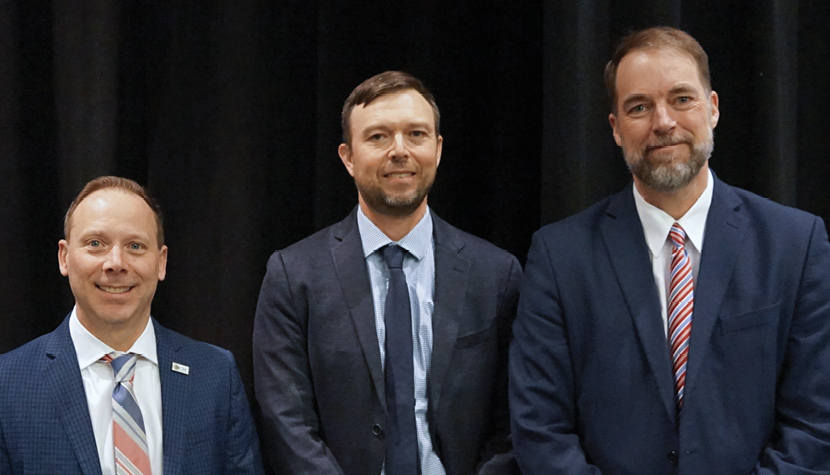
Cybersecurity for Courts and Boards Shay Cleary, Robert Wall, Darin Scheer (moderator)
Looking Forward: The Future of Legal Education and Profession
Nikia Gray, Judith Gundersen, Stacy Leeds, Sudha Setty, Augustin Rivera, Jr. (moderator)
As the capstone to the conference, presenters synthesize themes from prior discussions and turn the focus toward what lies ahead. They will connect insights from earlier sessions to the evolving demands of technological competence, distance and hybrid learning, bar passage, and employment outcomes. The conversation will emphasize how the profession is changing, why lawyers remain central to guiding that change, and what the next generation of legal education and licensing may require. Participants will leave with a forward-facing view of how today’s dialogue informs tomorrow’s practice.
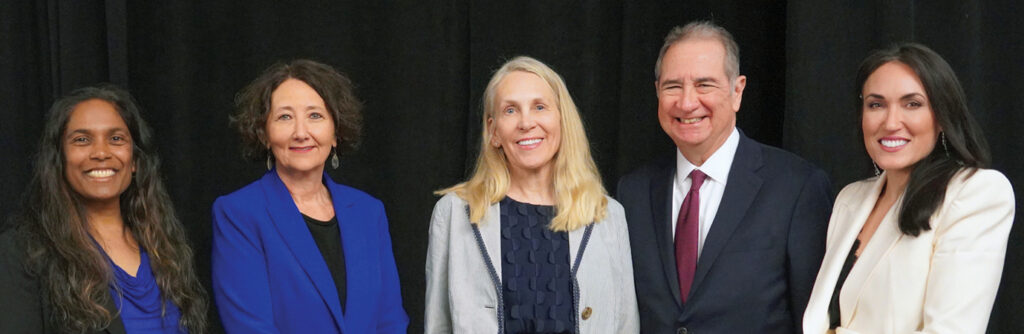
Looking Forward: The Future of Legal Education and Profession Sudha Setty; Stacy Leeds; Judith Gundersen; Augustin Rivera, Jr. (moderator); Nikia Gray
Breakout Sessions and Workshops
Thoughtful Design: The New Character Application
Geoffrey Bok, Valetta Browne, Penelope Gessler, Suzanne Richards (moderator)
Learn about how the updated character and fitness application is evolving to promote fairness and improve clarity and efficiency. See what is changing, why it matters, and how these updates will strengthen decision-making while reducing applicant confusion and administrative burden across the admissions process.
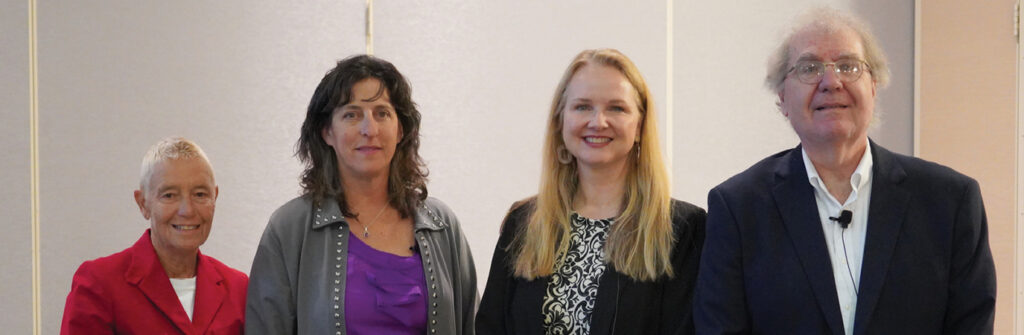
Thoughtful Design: The New Character Application Suzanne Richards (moderator), Penelope Gessler, Valetta Browne, Geoffrey Bok
ADA Policy Outlook
Caroline Mew, Hon. Solomon Oliver, Jr. (moderator)
Americans with Disabilities Act developments continue to shape bar admissions policy and practice. Regulatory direction, recent policy activity, and litigation trends help define current expectations for evaluating requests, issuing defensible decisions, and implementing outcomes within admissions operations. Attendees gain a practical understanding of how these developments influence review standards.
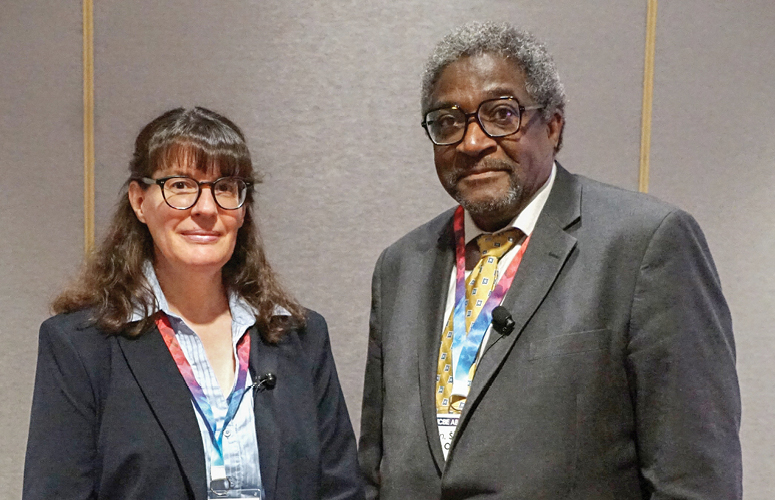
ADA Policy Outlook Caroline Mew; Hon. Solomon Oliver, Jr. (moderator)
Rigor, Validity, and Real-World Application: Evidence from a Digital Beta Exam
Narmeen Makhani; Bob Schwartz, PhD; Erin Scully; Jaclyn Stanislaus; Kara Smith, PhD (moderator)
Ahead of the full technical report, this session provides a preview of findings from NCBE’s large-scale NextGen UBE Beta Exam. Learn how the high legacy exam standards are maintained in a modern digital format, alongside evidence on real-world skills, platform-level fairness and usability, and an end-to-end digital system linking candidates, jurisdictions, exam delivery, and grading.
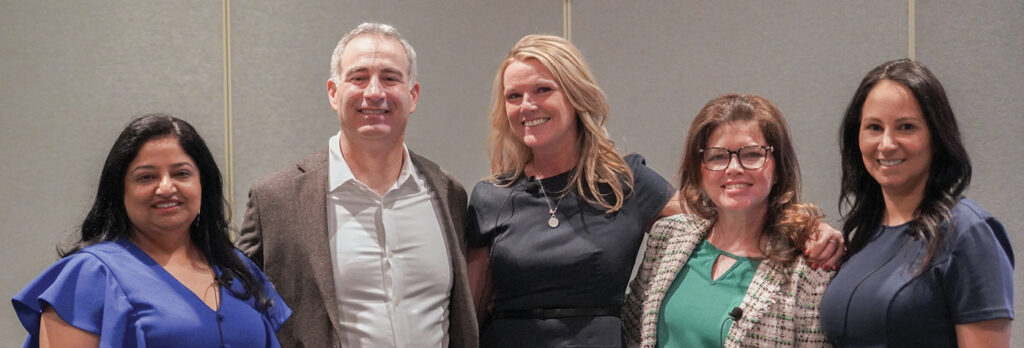
Rigor, Validity, and Real-World Application: Evidence from a Digital Beta Exam Narmeen Makhani; Bob Schwartz, PhD; Kara Smith, PhD (moderator); Erin Scully; Jaclyn Stanislaus
Building a Cybersecurity Incident Response Plan
Shay Cleary, Robert Wall, Faye McCray (moderator)
Move from awareness to action by developing a jurisdiction-appropriate incident response plan that protects examinee data, ensures operational continuity, and supports transparent communication during and after a cyber event. Attendees will enhance their readiness through practical exercises and peer collaboration.
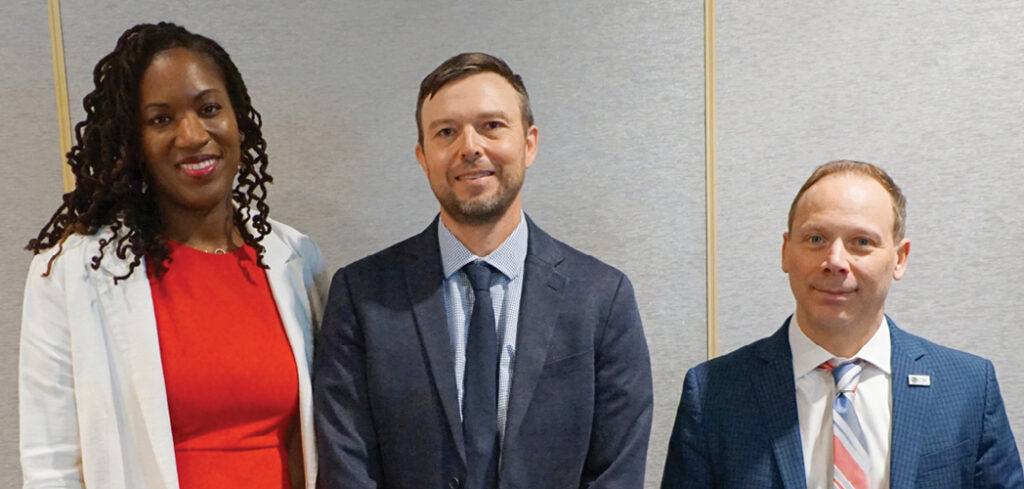
Building a Cybersecurity Incident Response Plan Faye McCray (moderator), Robert Wall, Shay Cleary
AI and Legal Education
Kirsten Davis, PhD; Timothy Davis; Daniel Johnson (moderator)
Law students encounter an increasing number of AI research, drafting, and analytics platforms in first-year courses and upper-level writing programs. Take an in-depth look at the tools faculty use, the performance patterns associated with AI use (and non-use) in assessments and legal writing, and the rapid expansion of AI literacy certificates offered by law schools. Facilitators will also highlight the resulting implications for bar readiness and admission policy.
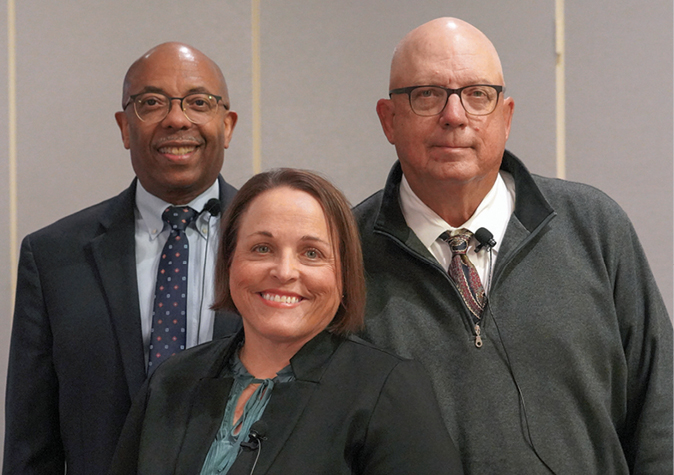
AI and Legal Education Timothy Davis; Kirsten Davis, PhD; Daniel Johnson (moderator)
Score Portability Decisions for a Changing Profession
Hon. Cynthia Martin; Hon. David Overstreet; Kara Smith, PhD; Hon. Phyllis Thompson (moderator)
Decision-makers are provided with a precise grounding in the evolution of the legacy UBE compact, NextGen UBE score portability, and the policy levers that shape admission outcomes. Attendees will learn about actionable frameworks for calibrating passing scores, score-age rules, and local components to meet jurisdictional goals, strengthen mobility, support workforce needs, and reinforce confidence in bar admission standards amid significant change.
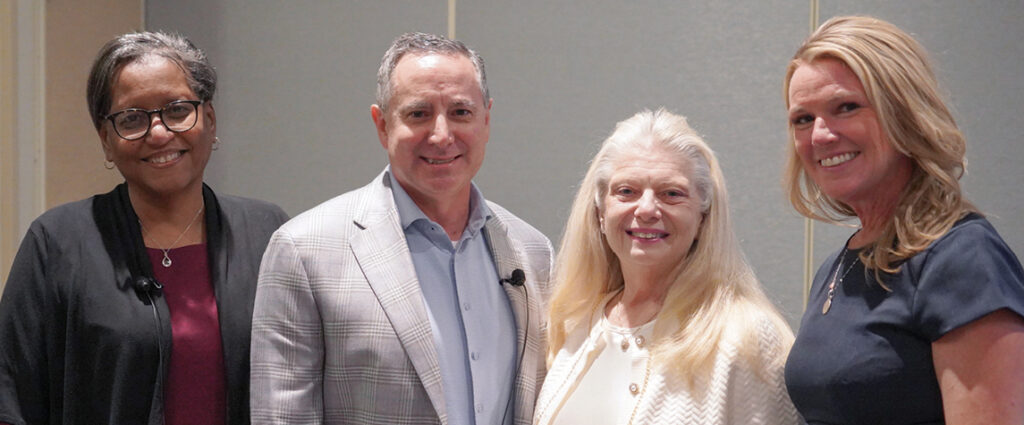
Score Portability Decisions for a Changing Profession Hon. Phyllis Thompson (moderator); Hon. David Overstreet; Hon. Cynthia Martin; Kara Smith, PhD
Cheating Risks in an Evolving Technological Landscape
Susan Baek; Kylie Gorney, PhD; Mengyao Zhang, PhD; Christopher Hawks (moderator)
Advances in technology and the growth of coordinated content-sharing networks have reshaped the risks of cheating in high-stakes testing. Learn about recent research on machine-learning methods and time-series anomaly detection that can help identify irregular patterns linked to pre-knowledge, item compromise, and timing-based exposure.
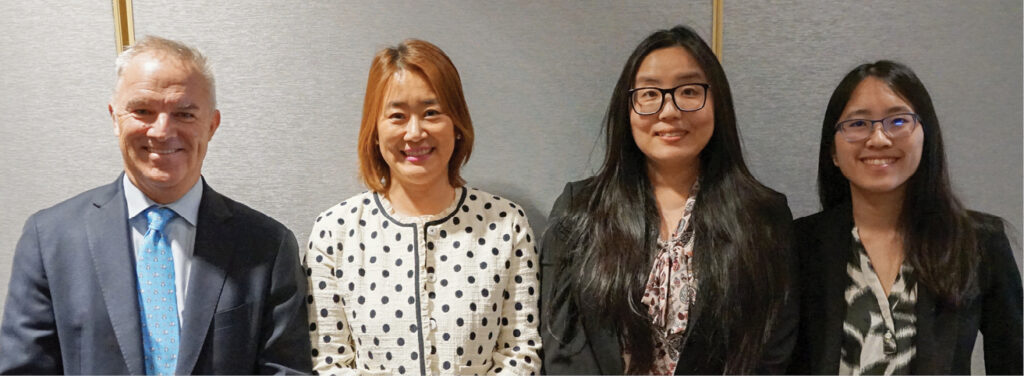
Cheating Risks in an Evolving Technological Landscape Christopher Hawks (moderator); Susan Baek; Mengyao Zhang, PhD; Kylie Gorney, PhD
Practical Uses of AI in the Courts
Dave Byers, Hon. Ann Scott Timmer, Hon. Dustin Rowe (moderator)
Explore how a court addresses artificial intelligence through governance, policy, and real-world use. Speakers share examples from court operations and the courtroom, highlighting key considerations for judicial ethics, due process, and public trust. Attendees gain a practical overview of how court leaders evaluate emerging AI applications and respond to new challenges.
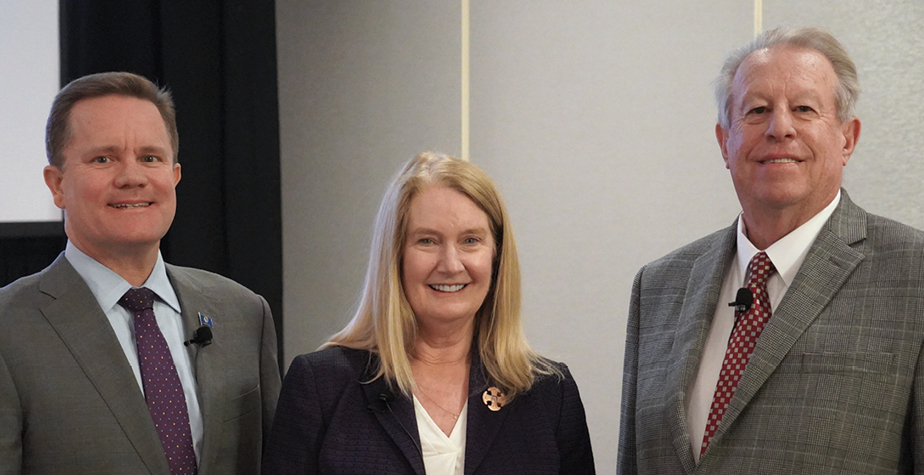
Practical Uses of AI in the Courts Hon. Dustin Rowe (moderator), Hon. Ann Scott Timmer, Dave Byers
Modern Boundaries and the Unauthorized Practice of Law
Ellyn Rosen, Lisa Perlen (moderator)
Technology, mobility, and artificial intelligence have reshaped the legal landscape, making it more difficult to detect unauthorized practice of law. The specific focus is on how courts and admissions authorities prioritize coordination and prevention over punishment. Speakers will identify tools for early risk detection, interjurisdictional communication, and ethics-based education while emphasizing consistent guidance and strategies that support compliance while protecting the public and the profession.
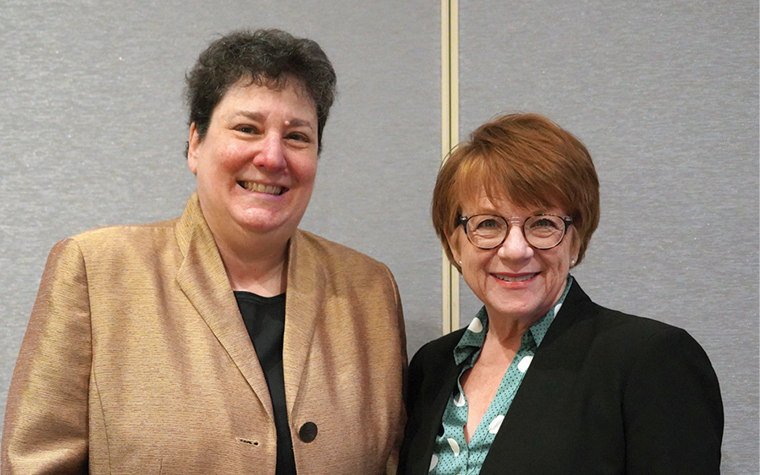
Modern Boundaries and the Unauthorized Practice of Law Ellyn Rosen, Lisa Perlen (moderator)
Building Client-Ready Lawyers through Experiential Preparation
Nicole Cantelme, Hemanth Gundavaram, Mindy Jeng, Marie Thomas-Griffith (moderator)
Clinical, pro bono, and apprenticeship experiences develop judgment, workflow discipline, and client responsibility through direct work. Drawing on supervision reports and program-level data, this session examines how these experiences support practice readiness and provide structured indicators relevant to public protection and admissions decision-making.
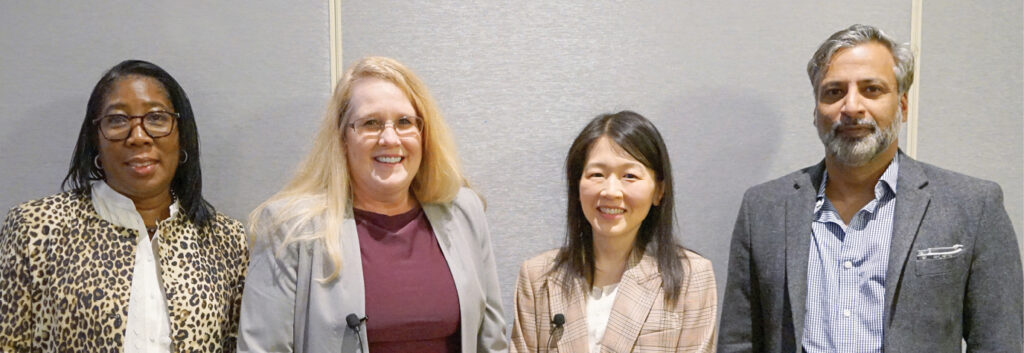
Building Client-Ready Lawyers through Experiential Preparation Marie Thomas-Griffith (moderator), Nicole Cantelme, Mindy Jeng, Hemanth Gundavaram
Judicial Perspectives (Justices only)
Hon. Scott Bales (ret.) (moderator), Hon. Dustin Rowe (moderator)
Justices are invited to a candid peer exchange on shared challenges facing the courts. The agenda emerges from the conversation and emphasizes dialogue over presentation, supporting comparison of approaches and practical takeaways that justices can apply within their individual courts.
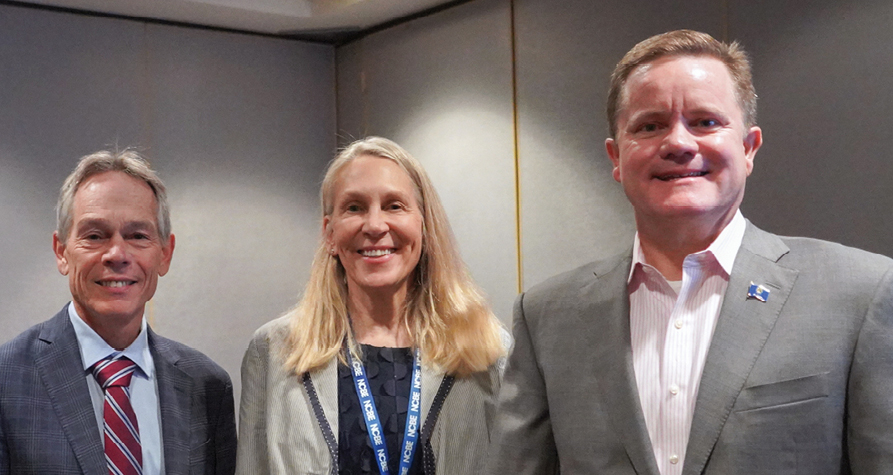
Judicial Perspectives (Justices only) Hon. Scott Bales (ret.) (moderator), Judith Gundersen, Hon. Dustin Rowe (moderator)
Effective Board Governance through Public Members
Cristina Groschel; Mark Kuppe, PsyD; Timothy Wong; Paul Schwiep (moderator)
Public members are essential for strengthening governance on bar admissions boards. Their independent judgment and public perspectives enhance discussions, accountability, and public trust. This session examines how diverse non-lawyer expertise improves the quality of character and fitness decisions, with examples from jurisdictions showing how public member contributions shape outcomes and support credible, well-reasoned governance.
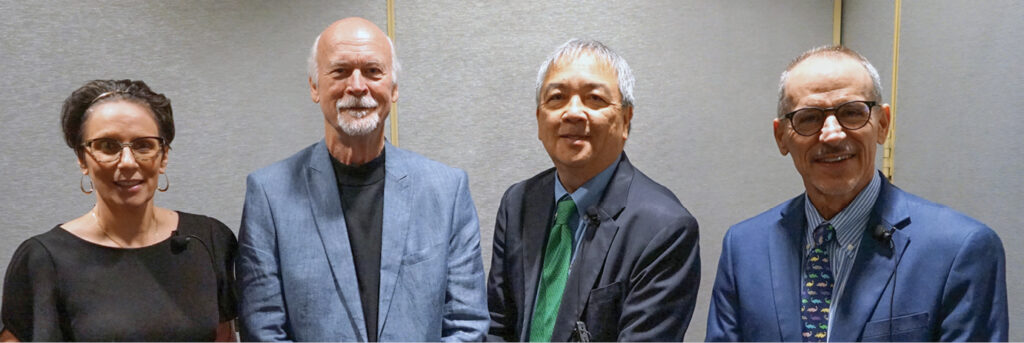
Effective Board Governance through Public Members Cristina Groschel; Mark Kuppe, PsyD; Timothy Wong; Paul Schwiep (moderator)
Grading Short-Answer Questions on the NextGen UBE
Hannah Scoville; Bob Schwartz, PhD; Carole Wesenberg; Shelice Tolbert (moderator)
Participants gain practical grading experience by analyzing sample responses, applying guidelines, and discussing organization, factual development, legal analysis, and written communication. Facilitators highlight scoring pitfalls, strategies that support consistent judgments, and well-structured tasks that provide dependable evidence of readiness for practice.
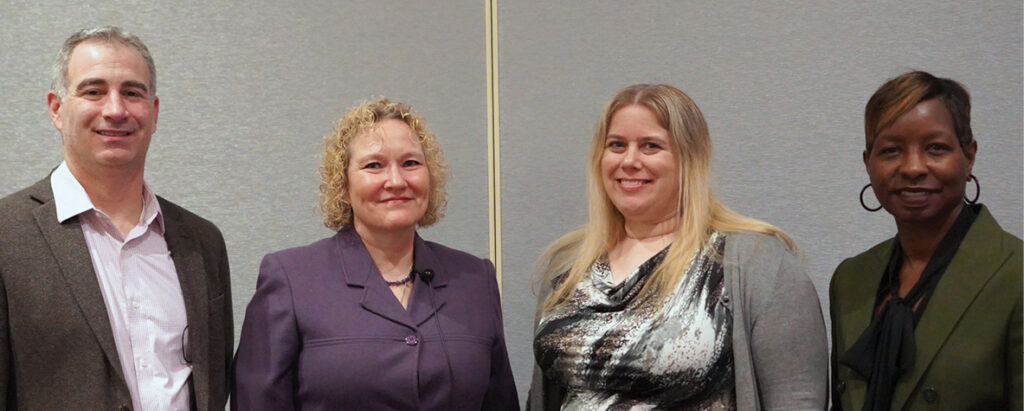
Grading Short-Answer Questions on the NextGen UBE Bob Schwartz, PhD; Carole Wesenberg; Hannah Scoville; Shelice Tolbert (moderator)
Understanding the Rising Volume and Cost of Testing Accommodations
Michele Gavagni, Rebecca Mick, Jeff Shipley, Margaret Funk (moderator)
Attendees are invited to discuss the rising volume and financial impact of testing accommodations. Facilitators will present data on growth trends, cost drivers, and staffing challenges. A closing discussion centers on budgeting strategies and operational challenges, sharing specific methods for ensuring fairness, distributing resources, and maintaining manageable workloads across bar admissions functions.
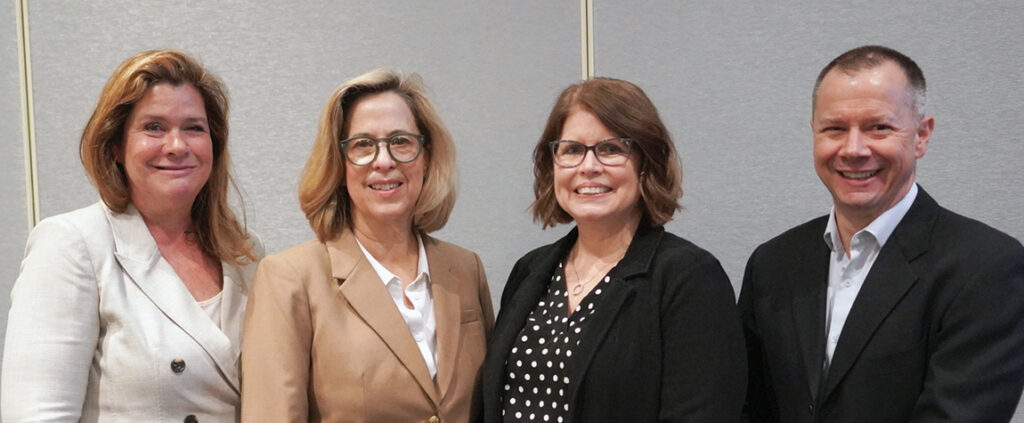
Understanding the Rising Volume and Cost of Testing Accommodations Margaret Funk (moderator), Rebecca Mick, Michele Gavagni, Jeff Shipley
How Rule Changes Reshape Accreditation and Bar Admissions
Hon. Brett Busby, Hon. Melissa Hart (ret.), Hon. Gordon MacDonald, Hon. Mary Russell (moderator)
Examine the operational implications for courts, bar admissions administrators, and assessment experts amid evolving ABA accreditation and legal education standards. Panelists will discuss lawyer mobility, offer strategies for jurisdictional changes, and clarify risk management issues and reciprocity challenges, all while ensuring public protection.
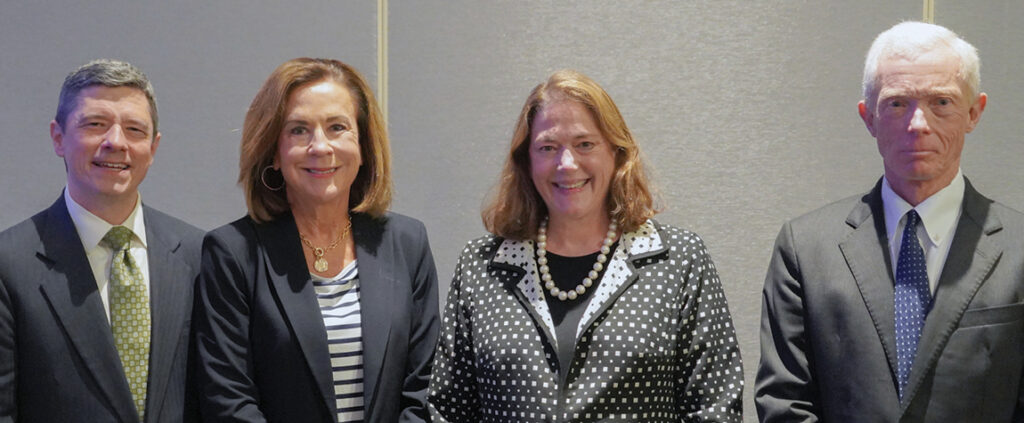
How Rule Changes Reshape Accreditation and Bar Admissions Hon. Brett Busby, Hon. Mary Russell (moderator), Hon. Melissa Hart (ret.), Hon. Gordon MacDonald
2026 Diane F. Bosse Award Honoree
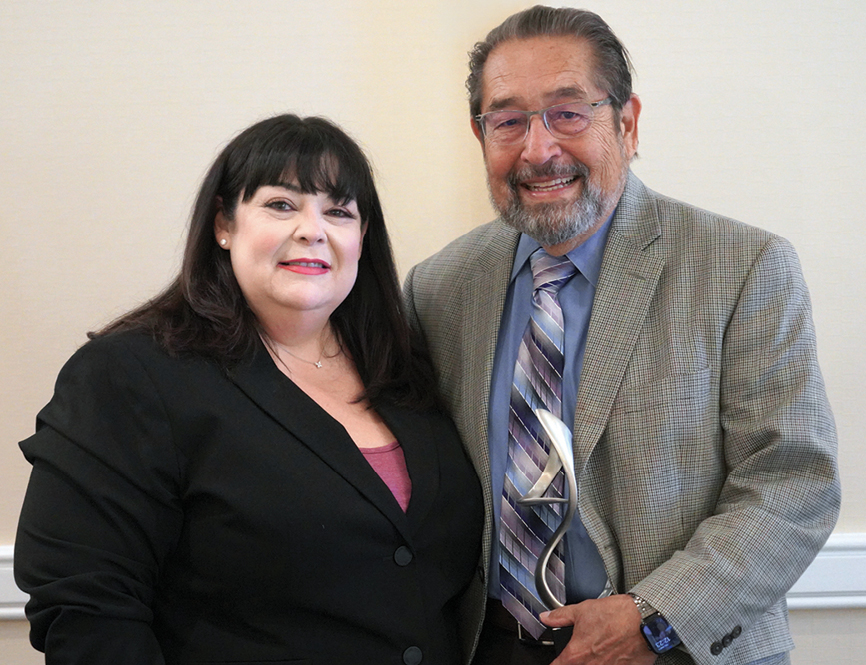
Chief Justice Julie Vargas and Judge Henry A. Alaniz
Judge Henry A. Alaniz of New Mexico has been awarded the 2026 Diane F. Bosse Award for Excellence and Service in Bar Admissions in a ceremony held at the 2026 NCBE Annual Bar Admissions Conference in Philadelphia, Pennsylvania.
The Diane F. Bosse Award honors a bar examiner who demonstrates leadership, integrity, professionalism, and a commitment to serving the legal profession through bar admissions in their own jurisdiction and beyond. The award was established in November 2024 in memory of Diane F. Bosse, a former chair of the New York Board of Law Examiners and NCBE’s Board of Trustees. For more about the Diane F. Bosse Award, visit ncbex.org/about/bosse-award.
Judge Alaniz has been a member of the New Mexico Board of Bar Examiners (BBE) since 2010 and has served as its chair since 2022. From 2011 to 2021, he was a judge on the Bernalillo County Metropolitan Court, including its Chief Judge from 2014 to 2018. Judge Alaniz spent nine years as a member of the State Bar of New Mexico’s Board of Bar Commissioners and served as its president in 2008. He was involved with New Mexico’s transition to the Uniform Bar Examination in 2016 and its adoption of the NextGen Uniform Bar Examination in 2024.
Judge Alaniz “consistently demonstrates a strong commitment to a fair, thorough, and well-administered admissions process. He recognizes the BBE’s role to safeguard the public on the front end of licensure and holds our board to ensuring that protection. He is a lifelong leader and volunteer, both to our BBE and New Mexico judiciary [and] to numerous other organizations.”
— Judge Nan Nash, on behalf of the New Mexico Board of Bar Examiners
Philadelphia in Photos